







Eggplant Purple King: The Best Choice for Your Farm in Bangladesh
Introduction:
Eggplant, also known as brinjal, is
a staple vegetable in Bangladeshi households, making it one of the most
cultivated crops in the country. Choosing the right variety is essential for
achieving high yield, superior quality, and market competitiveness. Among the
numerous varieties available, Eggplant Purple King: The Best Choice for Your
Farm in Bangladesh stands out for its exceptional performance. Renowned for its
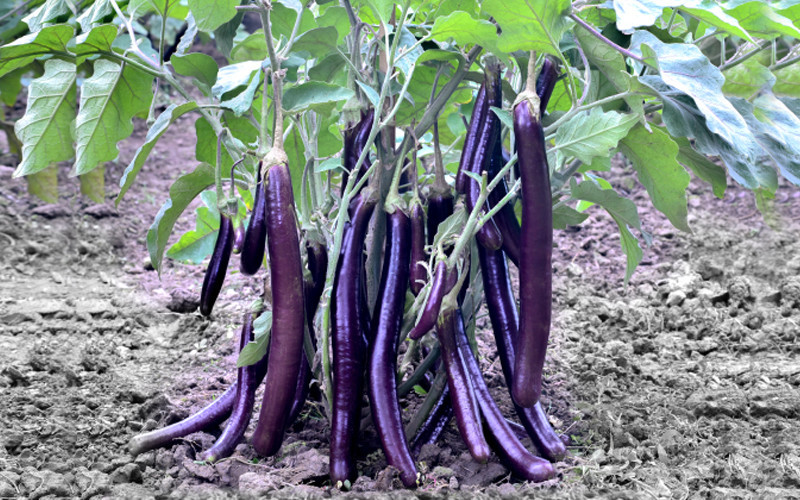
large, glossy purple fruits, robust plant structure, and resilience against
common pests and diseases, this hybrid variety is favored by both small-scale
farmers and commercial growers. If you want a proven variety that consistently
delivers excellent results, you can explore and purchase seeds directly from
Organic Lal Teer here:
https://www.organic.lalteer.com/product/white-crown-f1-eqgkj-q3lgc-cehtf-o03f8-cgivy-t5fvy-pplmg-9
Why Choose Eggplant Purple King?
The Eggplant Purple King:
The Best Choice for Your Farm in Bangladesh is packed with features that make it an outstanding choice:
1) High Yield Potential – Produces abundant fruits throughout the season, ensuring maximum returns. -
2) Superior Fruit Quality – Large, uniform fruits with a deep, glossy purple color and firm texture that attract premium prices. -
3) Pest & Disease Resistance – Strong natural resistance to fruit and shoot borer, bacterial wilt, and other common eggplant pests. -
4) Adaptability – Performs exceptionally well in diverse agro-climatic conditions across Bangladesh. -
5) Extended Harvest Window – Offers a prolonged picking period, allowing farmers to stagger sales for better market pricing.
To view specifications or place an order, visit the product page here: https://www.organic.lalteer.com/product/white-crown-f1-eqgkj-q3lgc-cehtf-o03f8-cgivy-t5fvy-pplmg-9
Cultivation Guide for Eggplant Purple King:
1. Soil Preparation – Eggplant thrives in fertile, well-drained soil with a pH of 6.0–6.8. Deep plowing and incorporation of organic matter improve soil structure and fertility.
2. Seed Sowing & Transplanting – Sow seeds in seedbeds or trays. Transplant healthy seedlings at 25–30 days of age when they are about 10–15 cm tall.
3. Spacing – Maintain a spacing of 60–75 cm between plants and 75–90 cm between rows to ensure adequate sunlight and airflow.
4. Irrigation – Provide consistent moisture, especially during flowering and fruit development. Avoid overwatering to prevent root diseases.
5. Fertilization – Apply a balanced fertilizer regimen, including nitrogen for vegetative growth, phosphorus for root development, and potassium for fruit quality.
6. Pest & Disease Management – Implement integrated pest management (IPM) techniques such as pheromone traps, crop rotation, and biological control agents.
7. Staking & Pruning – Support plants with stakes to prevent lodging and prune excess shoots to enhance fruit size and quality.
8. Harvesting – Harvest fruits when they are bright purple, glossy,
and firm. Picking at the right stage ensures optimum taste and storage life.
Market Demand
& Profitability:
Eggplant Purple King:
The Best Choice for Your
Farm in Bangladesh has high demand across all market segments. From rural
bazars to urban supermarkets, its attractive appearance and excellent taste
make it a preferred choice among consumers. The variety's durability during
transport and storage also benefits traders, allowing them to distribute it
over long distances without significant loss. Farmers can take advantage of the
steady demand by planting in cycles, ensuring year-round availability. Because
of its superior fruit quality and disease resistance, production costs remain
manageable, increasing net profits.
Tips for
Maximizing Yield:
- Use high-quality seeds from reputable suppliers like Organic Lal Teer.
- Practice crop rotation to avoid soil-borne diseases.
- Regularly monitor crops for early signs of pests.
- Apply mulch to retain soil moisture and suppress weeds.
- Schedule harvests at optimal intervals to
maintain consistent quality.
Conclusion:

+880-1730305481
Anchor Tower, 108 Bir Uttam C.R. Dutta Road, Dhaka-1205, Bangladesh
We accept payments